A strong jaw foundation is important for supporting a dental implant. If the bone in the planned implant area has become too thin or lost volume, a dentist in Fort McMurray may recommend bone grafting before implant placement can proceed. The procedure involves adding bone material to help rebuild the affected area and improve the available support. Not everyone needs a bone graft, so your dentist will assess the amount and condition of your existing jawbone before determining whether this additional step is appropriate.
What Is Bone Grafting?
Bone grafting is a procedure used to add bone material to an area where the jawbone has become too thin or has lost volume. Over time, the grafted area can develop new bone and become stronger. The material used may come from different sources, depending on the treatment plan. The goal is to create enough support for the planned implant.
Why Might the Jawbone Be Too Thin?
Bone loss can happen for several reasons. After a tooth is removed, the bone that once supported it may gradually shrink because it is no longer used in the same way.
Other possible causes include:
- Long-term tooth loss
- Gum disease
- Previous infection
- Injury to the jaw
- Natural changes in bone volume
A dentist near you can assess the area and determine whether enough bone is available for implant placement.
How Does Bone Support a Dental Implant?
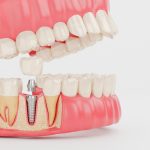
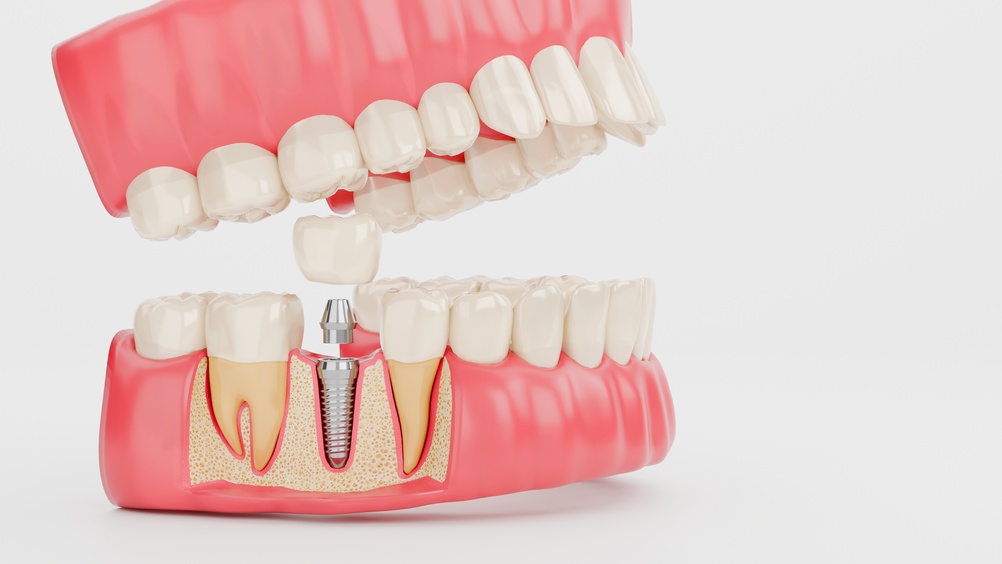
A dental implant is placed into the jawbone, which needs a stable foundation while it heals. If there is insufficient bone, placing an implant in the planned position may not be feasible. Bone grafting may help improve the amount of bone available in that area. After healing, the implant can be assessed and placed when the site is ready.
This does not mean every missing tooth requires a graft. Many implant sites have enough bone without additional treatment.
How Does a Dentist Know If a Bone Graft Is Needed?
A dentist in Fort McMurray may check your teeth, gums, and jaw before recommending a dental implant. Dental images can help the dentist see the bone and plan the treatment.
The dentist may check:
- Bone height
- Bone width
- Nearby teeth and other structures
- Gum health
- Planned implant position
- Overall oral health
These results show whether you need a bone graft before getting the implant.
What Happens During Bone Grafting?
During the procedure, bone-graft material is placed in the area where additional support is needed. The site is then protected while healing begins. The procedure depends on where the bone is needed and how much bone is missing. Sometimes, a bone graft is done before the implant is placed. In other cases, the bone graft and implant can be done at the same time.
How Long Does Bone Grafting Take to Heal?
Healing time varies based on the size and location of the graft, the type of material used, and individual healing. The area may need several months to develop enough strength before implant placement. A dentist near you can provide a more useful timeline after examining the planned implant site.
It is important not to rush this stage because the goal is to allow the area to heal properly before moving forward.
Does Bone Grafting Mean the Implant Cannot Be Placed Yet?
Not always. Bone grafting may mean that the implant process needs an additional healing stage.
The treatment may follow this general sequence:
- Dental examination and imaging
- Bone grafting, if required
- Healing and follow-up checks
- Implant placement
- Implant healing
- Placement of the final replacement tooth
The exact order can vary from one treatment plan to another.
Is Bone Grafting Always Successful?
Bone grafting is commonly used to improve the foundation for implant treatment, but healing can vary. Following aftercare instructions and maintaining good oral health are important during recovery. A dentist in Fort McMurray can discuss the expected healing process, possible risks, and whether additional care is needed before implant placement.
The decision should be based on the condition of the specific treatment area rather than a standard approach.
Ready to Find Out If Bone Grafting Is Right for You?
Before moving forward with dental implant treatment, understanding the condition of your jawbone can help clarify whether additional support may be needed. Book your appointment today to have the planned implant area evaluated, discuss your treatment goals, and learn whether bone grafting or another preparatory step may be appropriate for your situation. Pyramid Dental can help you understand the process and the options available for your individual needs.
FAQs
Do all dental implants require bone grafting?
No. Not everyone who gets a dental implant needs a bone graft. A bone graft may be needed if there is not enough bone to properly support the implant. If there is enough healthy bone, a graft may not be needed.
Is bone grafting painful?
The area is numbed during the procedure. Some soreness, swelling, or tenderness may occur afterward as the area heals. Aftercare instructions can help support recovery.
Can a dental implant be placed at the same time as a bone graft?
Sometimes. Whether both procedures can be completed together depends on the amount of bone available, the condition of the site, and the planned implant position.
How long after a bone graft can an implant be placed?
The waiting period varies. The grafted area may need several months to heal before it is ready for implant placement. A follow-up assessment helps determine when the site is ready.