Is your child nervous about visiting the dentist or worried about dental treatment? Sedation dentistry uses medication to help some children feel calmer and more relaxed during certain dental procedures. If you are looking for a dentist in Fort McMurray, understanding how sedation works and when it may be considered can help you make an informed decision about your child’s dental care.
Sedation does not always mean that a child will be completely asleep. The level of sedation depends on the medication used, the treatment needed, and the child’s individual situation.
Why Might a Child Need Sedation?
Dental treatment can feel stressful for some children. Fear, a strong gag reflex, difficulty sitting still, or the need for longer treatment may make certain dental visits challenging.
Sedation may be considered when a child:
- Has significant dental fear or anxiety
- Finds it difficult to stay still during treatment
- Has a strong gag reflex
- Needs several treatments during one visit
- Has difficulty coping with dental care because of their age or development
- Has had a difficult dental experience in the past
Sedation is not needed for every child. A dentist near you will first consider whether it is appropriate for the child and the planned treatment.
Is Sedation Dentistry Safe for Kids?
When sedation is appropriate and administered by trained dental professionals with proper monitoring, it can be used safely for some children during dental care. Safety depends on factors such as the child’s health, the type and amount of medication used, and appropriate monitoring throughout treatment.
Before sedation, the dental team will review the child’s health history, medications, allergies, and other relevant health concerns. This assessment helps determine whether sedation is an appropriate option.
Parents should feel comfortable asking questions about the recommended sedation method, how their child will be monitored, and what to expect before, during, and after treatment.
What Types of Sedation May Be Used?
The type of sedation recommended for a child depends on factors such as age, health, anxiety level, and treatment needs. Different methods provide different levels of relaxation.
Common approaches may include:
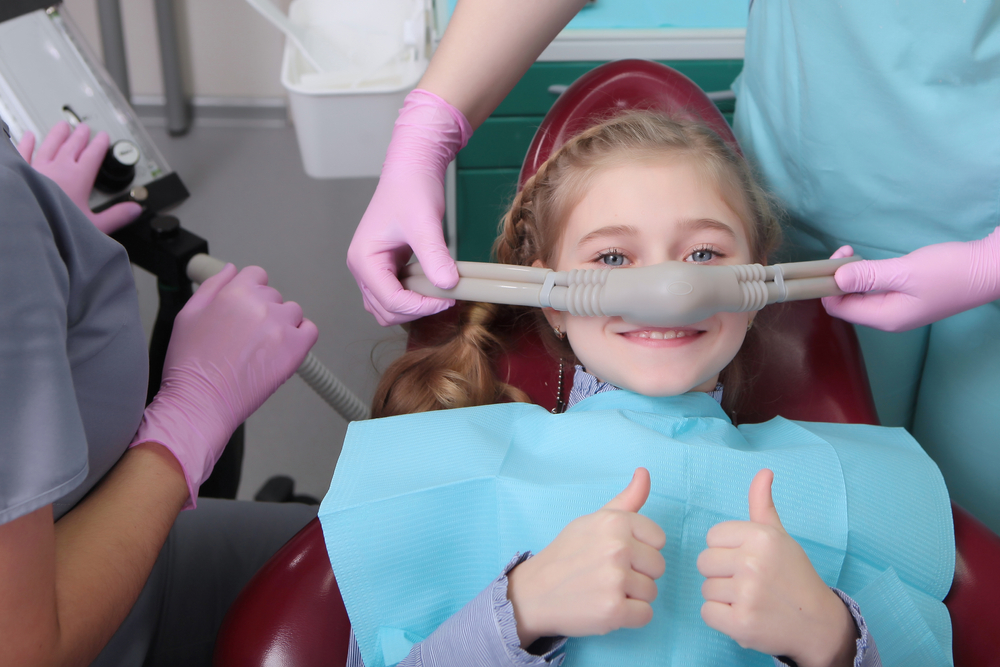
- Nitrous oxide: A gas breathed through a small mask that may help a child feel more relaxed during dental treatment.
- Oral sedation: Medication taken by mouth that may help reduce anxiety and make a child drowsy.
- Deeper levels of sedation: May be considered in selected situations and require appropriate monitoring and specialized care.
The appropriate option should be determined by a qualified dental professional after evaluating the child and the planned treatment.
What Happens Before Children’s Sedation?
A careful assessment is important before sedation. The dental team may ask about the child’s health, previous reactions to medications, allergies, current medications, and any recent illness.
Parents or caregivers may also receive specific instructions about eating, drinking, and medications before the appointment. Following these instructions carefully is an important part of preparing for sedation.
Before treatment, the dentist in Fort McMurray should explain:
- Why sedation is being considered
- Which type of sedation may be appropriate
- What to expect during treatment
- How the child will be monitored
- What care may be needed afterward
Understanding the process can also help parents feel more prepared and make the dental visit less stressful for their child.
What Happens During Sedation?
During treatment, the child is monitored according to the level of sedation being used. The dental team observes the child’s condition and response throughout the appointment.
The goal is to help the child remain calm enough for the planned dental care while maintaining appropriate safety measures.
Sedation does not replace proper dental treatment. Instead, it may be used as an aid when a child has difficulty coping with treatment because of anxiety, age, developmental factors, or other circumstances.
What Should Parents Expect After Sedation?
Children may feel sleepy or less energetic for some time after sedation. The exact effects depend on the type of medication used and how the individual child responds.
After treatment, parents should follow the dental team’s instructions carefully. These may include:
- Supervising the child closely
- Following eating and drinking instructions
- Allowing the child to rest
- Giving medications only as directed
- Watching for any unusual symptoms
The dental team should explain what to expect during recovery and when normal activities can be resumed.
If you have concerns about your child’s recovery, follow the instructions provided by the dental team and seek appropriate medical advice when necessary.
Can Every Child Have Dental Sedation?
No. Sedation is not suitable for every child or every dental situation. A dental professional needs to review the child’s health, treatment needs, anxiety level, and other relevant factors before recommending it.
Certain health conditions, medications, recent illnesses, or other circumstances may affect whether sedation is appropriate. A detailed assessment helps the dental team determine the safest approach for the individual child.
If you are searching for a dentist near you, discuss your child’s concerns and treatment needs with the dental team. They can explain the available options and whether sedation may be appropriate.
Make Your Child’s Dental Visit More Comfortable
Is your child anxious about dental treatment or facing a procedure that may be difficult to manage without additional support? A professional consultation can help assess your child’s needs, explain available sedation options, and determine whether this approach may be appropriate.
If you are looking for a dentist in Fort McMurray, Pyramid Dental can discuss your child’s dental care needs and help you understand the available options.
Book an appointment to discuss your child’s dental care and learn how the dental team can help make their visit as comfortable and supportive as possible.
FAQs
Will my child be completely asleep during sedation?
Not always. Some forms of sedation are designed to help a child relax while they remain awake and able to respond. The level of sedation depends on the medication used and the child’s treatment needs.
Does sedation replace local numbing medicine?
No. Sedation and local numbing serve different purposes. Sedation is intended to help with relaxation and anxiety, while local anesthetic is used to reduce sensation in the treatment area when needed.
How long does children’s sedation last?
The effects vary depending on the type of sedation, the medication used, and the child’s individual response. Parents should receive specific recovery instructions from the dental team after treatment.
Can a nervous child receive sedation at every dental visit?
Not necessarily. Sedation depends on the child’s individual needs and the type of dental care required. Routine checkups and simpler treatments may not require sedation.
How can I find out whether sedation is right for my child?
The best approach is to discuss your child’s health, dental anxiety, and treatment needs with a qualified dental professional. They can assess whether sedation is appropriate and explain the available options.