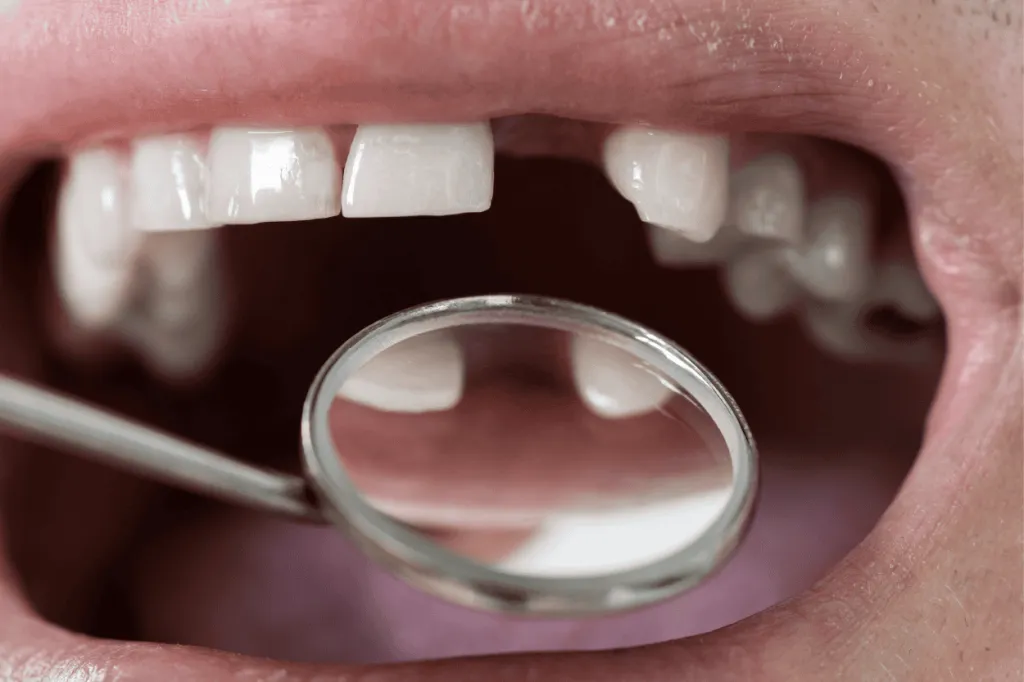
Losing a tooth is more than just a cosmetic issue; it can significantly impact your oral health, overall well-being, and quality of life. Whether you’ve lost a tooth due to injury, decay, or gum disease, replacing it promptly is essential. Fortunately, modern dentistry offers several effective options to restore your smile. Let’s explore why replacing missing teeth is so important and the solutions available to you.
Why Replacing Missing Teeth Matters
- Prevents Bone Loss
When a tooth is missing, the jawbone in that area begins to deteriorate over time. This occurs because the bone lacks the stimulation it receives when teeth are in place. Bone loss can lead to changes in facial structure, causing a sunken or aged appearance. Tooth replacement options like dental implants help maintain bone density and prevent further deterioration. - Restores Chewing and Speaking Function
Missing teeth can make it difficult to chew certain foods properly, which can affect your digestion and nutrition. It can also lead to speech issues, as teeth play a critical role in pronunciation. Replacing missing teeth ensures you can eat comfortably and speak clearly. - Prevents Shifting Teeth
Gaps left by missing teeth allow adjacent teeth to shift into the empty spaces. This can lead to misalignment, bite problems, and further oral health issues. Replacing missing teeth keeps your remaining teeth stable and in their correct positions. - Improves Aesthetics and Self-Confidence
A missing tooth can impact the appearance of your smile, causing you to feel self-conscious in social and professional situations. Replacing missing teeth restores your natural smile and boosts your confidence. - Protects Overall Oral Health
Missing teeth create areas where food and bacteria can accumulate, increasing the risk of gum disease and decay in nearby teeth. Tooth replacement helps keep your mouth healthy and reduces the risk of further dental problems.Options for Replacing Missing Teeth
1. Dental Implants
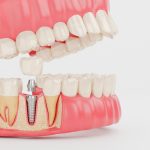
Dental implants are a long-lasting and durable solution for missing teeth. A titanium post is surgically placed into the jawbone, acting as a replacement tooth root. Once healed, a crown is attached to provide a natural-looking and functional tooth.
- Benefits: Prevents bone loss, looks and feels like a natural tooth, and can last a lifetime with proper care.
2. Dental Bridges
A dental bridge is a fixed prosthetic device that uses adjacent teeth as anchors to support an artificial tooth. This option is ideal for replacing one or more missing teeth in a row.
- Benefits: Restores chewing and speaking function, prevents shifting teeth, and offers a natural appearance.
3. Dentures
Dentures are removable appliances that replace multiple missing teeth. Partial dentures are used when some natural teeth remain, while full dentures replace an entire arch of teeth.
- Benefits: Cost-effective, restores oral function, and improves smile aesthetics.
4. Implant-Supported Dentures
For a more stable alternative to traditional dentures, implant-supported dentures attach securely to dental implants. This provides better function and comfort compared to conventional options.
- Benefits: Prevents slipping, improves chewing ability, and offers a secure fit.
The Benefits of Replacing Missing Teeth
By replacing missing teeth, you can:
- Maintain Jawbone Health: Prevent bone loss and preserve facial structure.
- Enhance Functionality: Eat, chew, and speak comfortably without difficulty.
- Protect Oral Health: Avoid shifting teeth, gum disease, and further complications.
- Improve Confidence: Enjoy a full, natural-looking smile that enhances your self-esteem.
Replacing missing teeth is essential for maintaining oral health, restoring function, and improving quality of life. With options like dental implants, bridges, and dentures, there’s a solution that fits every need and budget. If you’re missing one or more teeth, consult your dentist to explore the best replacement option for you. A complete smile isn’t just about aesthetics—it’s about living life to the fullest!