
Getting a tooth pulled can feel like a big deal, but it is often the first step toward a much healthier smile. After a tooth extraction, your jawbone begins a natural healing process. Because the tooth root is no longer there, the bone can start to shrink or change shape over time. To keep your mouth healthy and stop other teeth from moving, most experts suggest filling that gap once the area has healed. Taking the time to talk with a dentist in Fort McMurray helps you make a plan that keeps your smile straight and strong.
What happens in your mouth after a tooth is gone?
When a tooth is removed, a small blood clot forms in the empty space. This clot is very important because it protects the bone and nerves while the gums heal. Over a few weeks, your gums will grow over the hole. However, the bone underneath needs a job to do. Without a tooth root to hold onto, the bone can slowly melt away. This is why it is helpful to look for a dental clinic near you soon after an extraction to discuss how to keep that bone healthy.
The first few weeks of healing
The surface of your gums usually heals in about ten to fourteen days. During this time, you should eat soft foods and be very gentle when brushing. While the gums look healed on the outside, the bone underneath takes a few months to get strong again. It is during this quiet healing time that many people start looking into dental implants in Fort McMurray as a permanent way to replace what was lost.
Options for filling the gap
You don’t have to live with a missing space in your mouth. There are a few different ways to fix a missing tooth replacement, depending on your needs. Some people choose removable pieces, while others want something that stays in the mouth forever. The goal is to find a solution that lets you eat your favourite foods and smile for pictures without feeling shy.
Dental implants vs Bridges: Which is better?
This is a question many people ask when they want a permanent fix. A bridge is a set of connected teeth that “bridges” the gap. It is fast to get, but the dentist has to shave down the healthy teeth next to the space to hold it up. An implant is different because it stands on its own. When asking dental implants vs bridges: which is better? Many choose implants because they don’t bother the neighbouring teeth, and they help keep your jawbone strong.
What are the stages of a dental implant procedure?
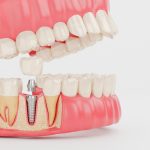
Getting an implant is a journey that happens in steps. It is not done in just one day because your body needs time to accept the new part. If you are wondering what the stages of a dental implant procedure are, here is a simple breakdown:
- First, the dentist checks your bone with a special X-ray.
- Next, a small metal post is placed into the bone.
- Then, you wait a few months for the bone to grow tightly around the post.
- After that, a small connector piece is added to the top.
- Finally, a beautiful new tooth made of porcelain is clicked into place.
Will insurance help pay for it?
Since an implant is a high-tech solution, the cost is something to think about. Many patients ask, “Does insurance cover dental implants?“ Every insurance plan is a bit different. Some will pay for the whole thing, while others might only pay for part of the new tooth. Your dental team can help you send a “check” to your insurance company to see exactly how much help you will get before you start.
Comparing your choices
|
Feature |
Dental Implant |
Dental Bridge |
| How long does it last | Usually a lifetime | 10 to 15 years |
| Health of other teeth | Leaves them alone | Neighbouring teeth are filed |
| How it feels | Just like a real tooth | Very good, but feels connected |
| Cleaning | Brush and floss normally | Need special floss to go under it |
Why you shouldn’t wait too long
If you leave a gap for many years, the teeth next to it might start to lean over. This can make it hard to chew and might even change the shape of your face. By acting sooner rather than later, you keep your mouth in its best shape. It is much easier to put an implant in when the bone is still thick and healthy.
A New Chapter for Your Smile
Deciding how to fix your smile after losing a tooth is an important choice for your future. Whether you choose an implant or another option, the goal is to make sure you can eat, speak, and laugh with total confidence. Taking care of a missing space early prevents bigger problems down the road and keeps your remaining teeth exactly where they belong.
At Pyramid Dental, we believe everyone deserves a smile to be proud of. Each step is explained in layman’s terms by our team so that our clients feel comfortable. Your comfort is our priority. As soon as you enter the practice, we treat our patients like family. Our goal is to guide your decisions and find a solution that works for you and your budget in your life.
Please reach out to us to schedule a visit and learn more about your options.
Frequently Asked Questions
- Does getting an implant hurt?
Most people say it feels similar to having a cavity filled. Your dentist will make sure the area is completely numb, so you shouldn’t feel pain during the process. Most people feel back to normal after just a day or two of rest. - How do I clean a dental implant?
You take care of it just like your natural teeth! You brush it twice a day and use floss to clean around the base. Since it isn’t a real tooth, it can’t get a cavity, but your gums still need to stay clean and healthy. - How long does the whole process take?
From start to finish, it usually takes about four to six months. Most of that time is just waiting for your bone to heal and get strong. It requires some patience, but the result is a tooth that can last for the rest of your life. - What if I have been missing a tooth for a long time?
Even if your tooth has been gone for years, you might still be a candidate for an implant. Sometimes the dentist just needs to add a little bit of extra bone material first to make the area strong enough to hold the new tooth.