
Many people have asked, “Do I inherit bad teeth from my parents?” Understanding the hereditary nature of dental problems is important so we can take the right precautions to help to prevent dental problems. A Fort McMurray dentist could better explain genetics and its effects on your teeth, gums, and oral health and what you can do to keep your teeth and gums healthy.
Can Dental Problems Be Inherited?
Dental health is influenced by both genetics and lifestyle. Some dental problems are more likely to be inherited, while others depend on habits, diet, and oral care. Genetics play a role in how strong your teeth are, how your jaws develop, and your susceptibility to certain diseases.
Some inherited dental problems include
- Weak enamel – You inherit strong or weak enamel (the outer layer that protects the teeth). Weaker enamel can lead to cavity-prone teeth.
- The shape and size of your teeth – You can inherit crowding with your teeth or gaps.
- Jaw structure – The genes you inherited affect if you have an overbite or underbite or another position of your aligned jaw.
Gum Disease Heredity
Gum disease is one of the most common dental problems one may inherit from their family members. Gum disease is also called periodontal disease. This problem is when the gum tissues that hold your teeth are affected. If you have parents that suffered from periodontal disease, your risk probability doubles. Risk factors through heredity include
- Thinner gum tissue
- Strong gingival inflammatory response to plaque
- Family history of early tooth loss
Even if gum disease is common in your family, practicing good oral hygiene, regular dental checkups, and regular professional cleaning can help reduce your risk significantly.
Genetic Teeth Conditions
Some people may have genetic teeth conditions. These are inherited from parents and can affect the number, shape and strength of teeth. Some common genetic conditions include
- Amelogenesis imperfecta – A condition that affects enamel formation.
- Dentinogenesis imperfecta – Teeth are discoloured or weaker than normal.
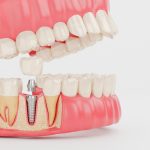
- Missing teeth – Some children are born without certain teeth, a condition known as hypodontia.
These conditions are rare, but they show how genetics can affect dental health. A dentist can identify these problems early and suggest treatments like cosmetic dentistry or dental restorations to improve appearance and function.
How Lifestyle Affects Inherited Dental Issues
Even if your family has had some dental problems, the lifestyle you lead and your oral care habits will have a considerable impact on serious problems. Daily brushing, flossing, and regular dental checkups are important. Other helpful habits include
- A balanced diet containing less sugar
- Avoiding tobacco
- Using fluoride toothpaste
- Visiting your dentist for professional advice
With your genetic risks and current state of oral health, a dentist can create a care treatment plan. Most of the time, small problems can be prevented before they grow larger.
Role of Cosmetic Dentistry
In cases where an inherited dental condition is present, cosmetic dentistry in Fort McMurray may be prescribed. Cosmetic dentistry refers to the treatment of teeth to improve their appearance and function. Treatments may include
- Whitening of teeth that are discoloured
- Dental crowns or veneers for weak or damaged teeth
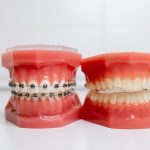
- Orthodontic solutions designed for alignment issues
Cosmetic dentistry can also help in managing and treating the effects of genetic tooth disorders or issues and assist to make your smile more confident.
Understanding the Family Connection
Knowing your family dental history can help your dentist plan the most appropriate care plan for you. It is essential to have discussions with your parents or guardian if you have a family history of
- Gum disease
- Cavities that happen early in life
- Genetic tooth conditions
Obtaining this information is helpful to your dentist to plan for prevention and recognize signs of inherited problems early.
Common Dental Issues with Genetic Links
| Dental Issue | How It Can Be Inherited | Prevention & Care |
| Weak enamel | Genetic enamel defects | Fluoride, protective dental treatments |
| Gum disease heredity | Family history of periodontal disease | Regular cleanings, good oral hygiene |
| Tooth alignment problems | Jaw size and shape from parents | Orthodontics, braces |
| Missing teeth | Hypodontia | Cosmetic dentistry, dental implants |
| Discoloured or weak teeth | Dentinogenesis imperfecta | Cosmetic treatments, crowns |
Key Takeaway
While dental health problems can be related to genetics, they do not necessarily mean that you have inherited problems. Understanding your family dental history, maintaining good oral hygiene, and visiting a dentist regularly are the best ways to protect your teeth and gums. There are preventative steps that may be taken so gum disease and weak enamel can be stopped early for a healthy smile.
If you notice something changing with your teeth or gums or are worried about some inherited enamel problems, contact your dentist near you. Your dentist can discuss options with you on a treatment plan and preventative care to help care for your teeth and gums and keep your smile in a good, healthy, confident shape.
Discover Solutions for Genetic Tooth Conditions!
Pyramid Dental provides gentle and professional care for patients of all ages. Our team treats genetic tooth conditions and other dental issues. We use safe, modern techniques to help protect your teeth and improve your smile. Our goal is to make every visit comfortable and easy. Have a dental issue? Do not wait! Book your appointment today at Pyramid Dental.